


The Ultimate Guide to Energy-Efficient Curtains & Blinds: Save Money, Reduce Heat Loss and Stay Stylish
- Nov 9, 2025
- 5 min read
Updated: Jan 4
If you’re looking for real ways to save money on your power bill and keep your home beautifully styled, upgrading your window treatments is one of the smartest decisions you can make.
Windows account for 20–30% of total heat loss in most homes, which means even modern double glazing can let precious warmth escape. The right curtains and blinds can significantly reduce that loss, lower your heating costs, improve comfort, and still look stunning in any interior.
This guide walks you through everything you need to know — from choosing thermal curtains to understanding what cellular blinds are made of, plus designer-approved styling tips that make your home efficient and elegant.
Why Window Treatments Make Such a Big Difference
Before diving into the fun design choices, it helps to understand the facts:
Up to 30% of household heat escapes through uncovered or poorly covered windows. Thermal curtains can reduce heat loss by up to 25%, Cellular blinds (especially double-cell) can reduce heat loss by up to 40–60% Proper installation matters almost as much as the product. Layering different window treatments can create an insulation system similar to a double glazed window
Small changes truly create big savings.

Style tip: For this tailored finish we use the pleat tape with triple-pleat hooks and went for puddling on the floor.
Energy-Efficient Curtains: What Makes Them Work
Thermal curtains (a.k.a. insulated curtains or winter curtains) aren’t just heavy drapes — they’re specifically engineered to slow heat transfer and create a barrier between your warm indoor air and the cold window surface.
Key Design Features Explained With More Detail
1. Multiple Insulating Layers
Thermal curtains use a combination of:
A decorative front fabric
An inner insulating layer (often foam or thermal acrylic)
A backing layer that adds stability
These layers trap still air, which is one of the best natural insulators.
The science is simple: the less airflow, the less heat loss.

2. Heavy, Dense Fabrics
Weight = insulation. Dense weave fabrics physically reduce airflow, block drafts, and retain heat.
Top insulating fabrics:
Velvet: Dense pile catches warm air and looks luxurious.
Wool/Wool blends: Naturally breathable, moisture-regulating, and insulating.
Chenille: Plush fibers create micro air pockets.
Suede & faux suede: Smooth, tightly woven, modern.
Thermal polyester blends: Durable and effective for budget-friendly options.
These fabrics also drape beautifully, helping create a tight-to-the-wall seal that further improves efficiency.
3. Thermal, Foam, or Blackout Linings
A curtain is only as insulating as its lining.
Common lining types:
4. Colour (Helpful, but Secondary)
Darker colours absorb more radiant heat from sunlight, but the lining does the real thermal work. So feel free to choose your favorite colours — you won’t lose insulation.
How to Make Thermal Curtains Work Their Best
Full, Generous Coverage
Aim for:
Ceiling-to-floor drop
Rod extended 10% of window width each side past the window e.g. If a window measures 3 meters (118.11 inches) + 300mm each side =3600mm or 11.811 each side = 141.73 inches
Curtains wide enough to overlap at the centre
This ensures minimal heat escapes.
Close Wall Mounting
Mounting the rods tight to the wall reduces the chimney effect (where warm air rises behind the curtain and escapes).
A Deeply Expanded “Layer, Layer, Layer”
Layering is the interior designer’s secret to both comfort and aesthetics — but it also delivers serious energy savings.
Here’s why layering works so well:
Each layer traps its own pocket of still air
When you layer fabric + blind + lining, you create a multi-barrier insulation system
The combined effect can mimic the insulating value of double glazing
It reduces drafts, blocks radiant cold, and stabilises indoor temperature
Best layering combinations:
Cellular blinds + thermal curtains (BEST for winter insulation)
Roman blinds + thermal drapes (more decorative)

Sheer curtains + heavy curtains (daytime softness and privacy, reduce unwanted heat gain in summer + night warmth)
Block out roller blinds + lined curtains (minimalist + effective)
Layering is also ideal for:
Large glazing
Sliding doors
Cold rooms facing south
Heritage homes with older windows
Cellular Blinds
What They Are Made From
Cellular blinds — also called honeycomb blinds — are one of the most energy-efficient window coverings available. Their design is based on honeycomb-like pockets that trap air.
What They’re Made Of
Most cellular blinds are constructed from:
Spun-bond polyester fabric
Non-woven polyester layers
Heat-fused material that forms the cell structure
Sometimes aluminum-lined cells for maximum insulation (double-cell designs)
The fabric is lightweight yet strong, and its structure is intentionally engineered to not collapse over time.

Types of Cellular Blinds
Single Cell
One row of honeycomb pockets
Great insulation
Slimmer profile
Double Cell
Two layers of air pockets stacked together
Provides 30–50% more insulation
Ideal for colder climates
Light-filtering Cellular
Allow soft light in
Maintain privacy
Provide moderate insulation
Block out Cellular
Best for bedrooms
Insulating and room darkening
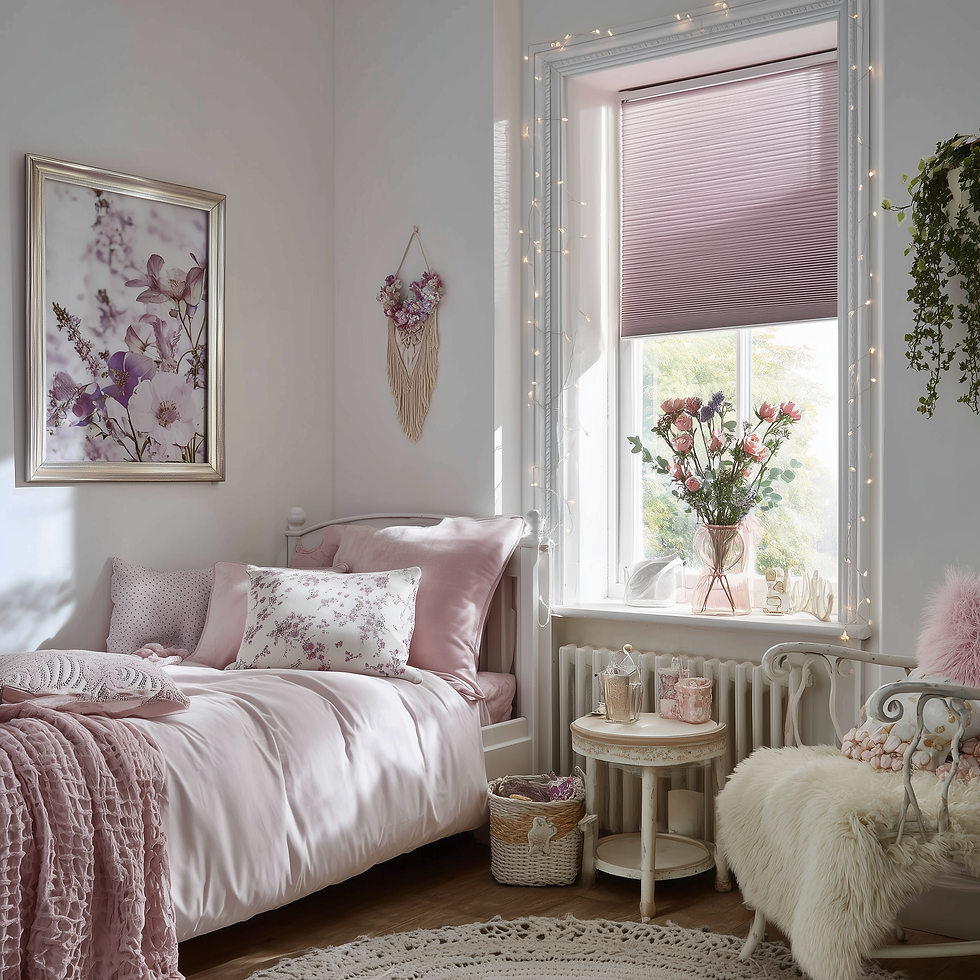
Style tip: For this tailored finish we did inside the window fit. Custom made sizes
Why They’re So Effective
The trapped air pockets significantly slow heat movement. Many studies show that high-quality cellular blinds can:
Reduce heat loss by up to 60%
Reduce unwanted heat gain in summer by up to 80%
Improve indoor comfort levels within minutes
Design Tips
Fully Styled Up
These tips blend function with interior style so your home stays warm and looks incredible.
1. Add Visual Warmth With Colour
Colours that naturally create cosy ambience:
Deep forest green
Warm taupe
Rich burgundy
Charcoal
Navy
Burnt sienna
Brass or gold accents
Warm tones “feel” warmer, which enhances your winter décor.
2. Play With Fabric Texture
Texture adds depth and improves insulation.
Try combining:
Smooth blinds + textured drapes
Velvet drapes + linen-look sheers
Woolen blends for architectural spaces
Linen look + smooth blind
3. Maximise Height for Luxury
Hanging curtains as close to the ceiling as possible:
Elongates the room
Adds drama
Reduces heat loss at the top gap
Looks designer-level finished
4. Use Hardware That Works Hard
Choose:
Wraparound rods
Double tracks
Ceiling-mounted tracks
Heavy-duty brackets for thick fabrics
Good hardware = better insulation + better styling.
5. Layering for Aesthetic Impact
Layering doesn’t just insulate — it pulls the whole room together.
For example:
Sheer curtains soften daylight
Block out curtains add weight and drama
Cellular blinds sit neatly behind for a sleek, modern base
This combination looks curated, intentional, and magazine-worthy.
7. Match Style to Room Purpose
Living rooms: Layered curtains add warmth and elegance
Bedrooms: Block out cellular + heavy curtains for quiet, dark, warm sleep
Kitchens: Cellular blinds or roller blinds for easy cleaning
Home offices: Light-filtering cellular to reduce glare and regulate temperature

Final Thoughts
Energy-efficient curtains and blinds are one of the most stylish, practical, and cost-effective ways to warm your home. With the right choices — and especially with layering — you can cut heat loss dramatically, reduce power bills, and create a beautifully cosy interior.
What to it the looks
Comments